Events used to be simpler. Fewer stakeholders. Lower expectations. Shorter timelines. Today, events operate more like living systems, with moving parts that need to stay in sync from first concept to final cue.
Audiences expect more than information. They expect experiences.Sponsors expect more than logos. They expect measurable value.Organizations expect more than execution. They expect impact.
And yet, many events are still planned in pieces.
A creative team develops the concept. A separate group handles logistics. Production comes in later. Sponsorship is layered on top. Each piece works hard, but not always together. That’s where friction begins. Misalignment shows up in subtle ways. Messaging feels disconnected. Design doesn’t support flow. Production solves problems instead of elevating ideas.
Full-service event production changes that dynamic.
It’s not about doing everything under one roof for the sake of convenience. It’s about creating a single, aligned vision from the start. Strategy, creative, logistics, and production aren’t separate phases. They are part of the same conversation, shaping each other in real time.
At Pavilion 360, full-service means building events holistically.
Creative decisions are informed by how the event will actually function.Logistics are designed to support the experience, not just manage it.
Production is integrated early, so ideas are built to be executed, not retrofitted later. This approach eliminates guesswork. It reduces redundancy. It creates clarity across teams, stakeholders, and partners. Instead of reacting to problems, the process anticipates them.
It also unlocks better design.
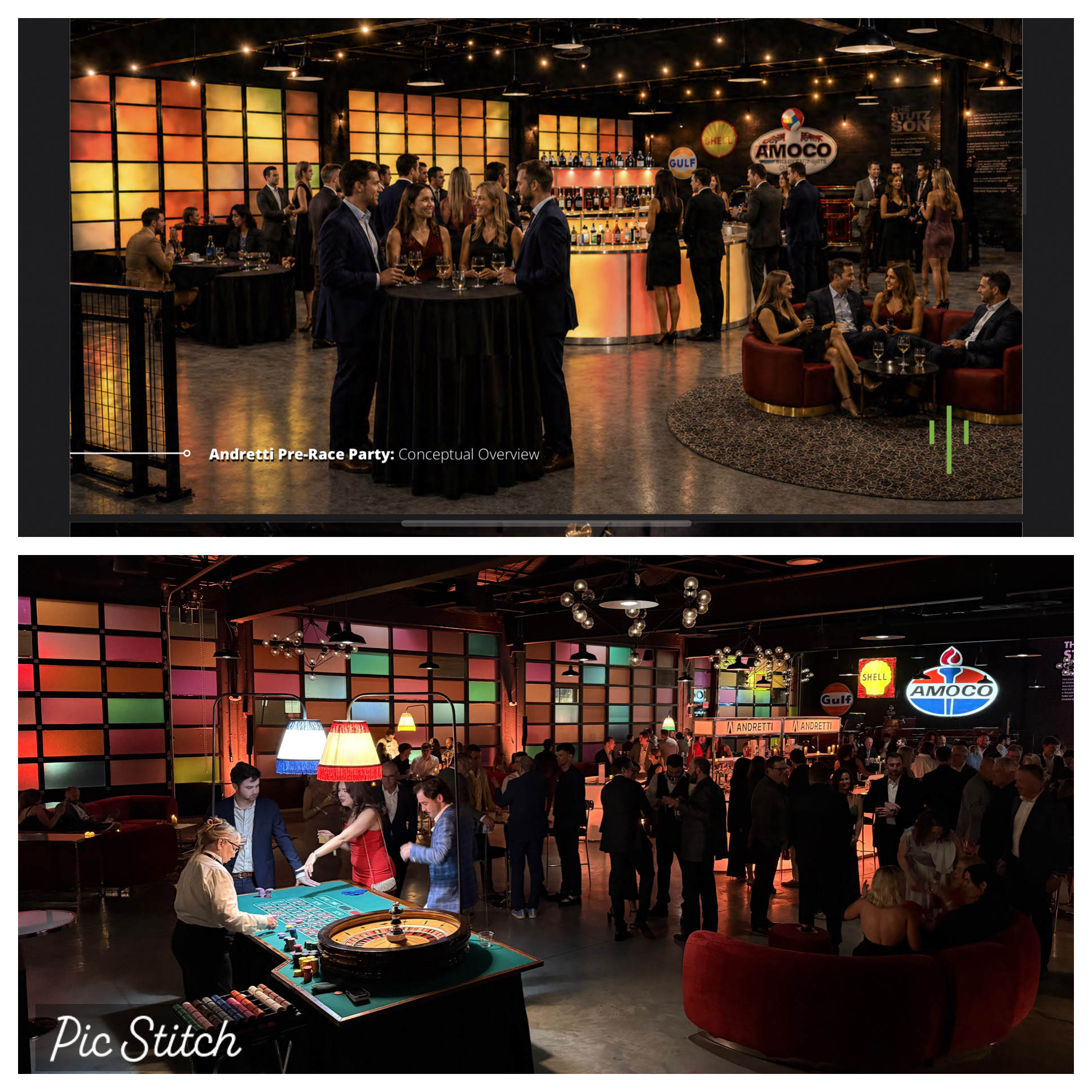
When everything is connected, opportunities emerge. A stage design can enhance sponsor visibility without feeling forced. A room layout can improve attendee flow and increase engagement. A lighting plan can shift energy throughout the day instead of staying static.
The event becomes more than a collection of elements. It becomes a cohesive experience.
There’s also a practical advantage: accountability.
With a full-service model, there is one team responsible for the outcome. No handoffs that dilute responsibility. No gaps between vendors. No ambiguity about who owns what. Just a clear line from idea to execution.
That clarity matters most when it counts. Tight timelines. Complex productions. High-stakes audiences. These are the moments where fragmentation creates risk and alignment creates confidence.
And confidence is what clients feel when an event is done right.
Not because everything is flashy, but because everything works.
The room feels intentional.The transitions feel natural.The experience feels effortless.
That kind of cohesion doesn’t happen by accident. It’s designed from the beginning.
In a landscape where attention is limited and expectations are high, events can’t afford to feel disconnected. They need to be clear, purposeful, and aligned at every level.
Full-service event production isn’t a trend.It’s the foundation for events that deliver real impact.